The Spirit of Thingyan
- Latte
- Apr 21
- 3 min read

Happy Myanmar New Year!
At first glance, Thingyan is often seen as a water festival. Streets fill with people throwing water, music echoes from every corner, and for a few days, normal life pauses. But beneath that vibrant surface lies a quieter, more symbolic layer. Water, in this context, is not just for fun, it represents cleansing. Each splash carries the idea of washing away the mistakes, regrets, and hardships of the past year, making space for a fresh start.
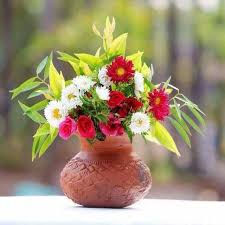
This idea of renewal is beautifully expressed through traditional objects prepared during the festival. One of the most recognizable is the Atar Pot (Ah-tar O အတာအိုး). Carefully filled with clean water and decorated with fresh flowers and leaves, it is more than just a decorative item. It reflects a wish for purity, for peace, for a new beginning free from the burdens of the past. Placed in homes or at entrances, it quietly symbolizes hope.
Then come the Padauk Flowers (Pa-dauk Pan ပိတောက်ပန်း), small golden blossoms that hold a special place in the hearts of Myanmar people. They bloom only during Thingyan, almost as if nature itself is celebrating the New Year. Their brief appearance makes them even more meaningful. They are a reminder that happiness can be fleeting, and that each moment like each year should be cherished while it lasts.
Alongside them are the Thabyay Leaves (Tha-byay Khat သပြေခက်), often used in decorations and religious offerings. These leaves are believed to bring calmness, protection, and good fortune. When placed together with flowers and water, they create a quiet harmony one that connects families, traditions, and beliefs across generations.

All photos are taken from the internet. Credit goes to the original owners.
Yet, what truly defines Thingyan is not just what people prepare, but what people do. In many homes, a gentle and intimate tradition takes place: the Washing Elders’ Hair Ceremony. Younger family members pour scented water over the hair of their parents or grandparents, carefully and respectfully. It is not rushed, nor loud like the streets outside. Instead, it is slow and intentional, a moment of gratitude, a gesture that says “thank you” without needing many words. In that simple act, respect, love, and cultural values come together.
Another powerful expression of Thingyan’s spirit is Satuditha (Sa-tu-di-tha စတုဒီသာ). Across neighborhoods, people set up stalls offering free food and drinks to anyone who passes by friends, strangers, travelers. There is no expectation of return, no questions asked. It is generosity in its purest form. For those few days, kindness becomes a shared language, and the boundaries between people seem to fade.


All photos are taken from the internet. Credit goes to the original owners.
While these traditions happen within communities, Thingyan also invites people to look beyond to the landscapes and regions that shape Myanmar’s identity. The Anyar Region, with its dry plains and strong cultural roots, offers a different kind of beauty. It is quieter, more grounded. Here, Thingyan may not always be about large crowds or loud celebrations, but about small gatherings, familiar faces, and traditions carried out with sincerity. The villages, temples, and markets tell stories not just of a place, but of a way of life, one that values resilience, simplicity, and connection.
What makes Thingyan truly special is this balance. It is both loud and quiet, playful and meaningful, communal and deeply personal.
It is a time when people celebrate together, but also reflect individually. A time to reconnect not only with others, but with memories, values, and a sense of home.
For many, especially those far from Myanmar, Thingyan carries a sense of nostalgia. The sound of water splashing, the scent of flowers, the feeling of being surrounded by family and community these are not easily replaced. They live on in memory, growing stronger with time.
And maybe that is the essence of Thingyan: not just a celebration of a new year, but a reminder of what matters, connection, kindness, respect, and the courage to begin again.
So as the New Year arrives, one question gently lingers.
What part of Thingyan do you carry with you the most? 💦✨

Comments