2026 Myanmar Week Grand Show Reference Page
- APU Myanmar Association
- Jun 12
- 10 min read

1. Two Regions of Myanmar ミャンマーの二つの地域
Anyar Region (Central Dry Zone) アニャー地方(中央乾燥地帯)

Anyar refers to the central plains of Myanmar, including areas around Mandalay and Bagan. It is known for its hot, dry climate, farming communities, Buddhist traditions, and ancient temples. The village of Htee Hlaing in the story is inspired by this region. Life in Anyar is closely connected to community, religion, and traditional customs.
アニャー(Anyar)とは、マンダレーやバガン周辺を含むミャンマー中部の平原地帯を指します。この地域は暑く乾燥した気候で知られ、農業を営むコミュニティ、仏教の伝統、そして数多くの古代寺院が特徴です。
物語に登場するティーライン(Htee Hlaing)村は、このアニャー地方をモデルにしています。アニャーでの暮らしは、地域共同体とのつながり、宗教、そして伝統的な慣習と深く結びついています。
Bagan (Pagan) バガン(パガン)

Bagan is a historic region in central Myanmar and the heart of the Anyar (Dry Zone). It is famous for its thousands of ancient temples, strong Buddhist traditions, traditional villages, and rich cultural heritage, making it one of Myanmar's most important historical and cultural centers.
バガンはミャンマー中部に位置する歴史的な地域であり、アニャー(中央乾燥地帯)の中心地として知られています。数千に及ぶ古代寺院群、深く根付いた仏教の伝統、伝統的な村々、そして豊かな文化遺産で有名です。そのため、バガンはミャンマーを代表する歴史・文化の中心地の一つとなっています。
Shan Highlands シャン高原

The Shan Highlands are located in eastern Myanmar and are characterized by mountains, plateaus, and a cooler climate. Historically, the region was governed by local rulers known as Sawbwas. Sao Khun Naung comes from this region, giving him a very different background from Pann Wai.
シャン高原はミャンマー東部に位置し、山岳地帯や高原地帯が広がる、比較的涼しい気候の地域です。歴史的には、ソーブワ(Sawbwa)と呼ばれる地方の統治者たちによって治められていました。
サオ・クン・ナウンはこの地域の出身であり、そのため彼はパン・ワイとは大きく異なる背景を持っています。シャン高原の歴史や文化は、彼の価値観や人生観にも影響を与えています。
Sawbwa (စော်ဘွား) ソーブワ

A Sawbwa was a hereditary ruler of a Shan State, similar to a prince or regional lord. In the past, Sawbwas held significant authority over their territories and played important roles in local administration, culture, and society.
Over time, Myanmar's governing system became more centralized, and the political authority of Sawbwas gradually disappeared. Today, the title remains mainly as a historical and cultural symbol rather than a position of political power.
Why it Matters
The relationship between Pann Wai and Sao Khun Naung is shaped by differences in geography, culture, and social status. Their story reflects the contrast between village life in the central plains and the aristocratic traditions of the highlands.
ソーブワ(Sawbwa)とは、かつてシャン州を統治していた世襲の君主であり、王子や地方領主に相当する存在でした。過去には、それぞれの領地において大きな権限を持ち、行政、文化、社会の発展において重要な役割を果たしていました。
しかし、時代とともにミャンマーの統治体制は中央集権化が進み、ソーブワたちの政治的権限は次第に失われていきました。現在では、この称号は主に歴史的・文化的な象徴として残されており、実際の政治権力を伴う地位ではありません。
なぜこれが重要なのか
パン・ワイとサオ・クン・ナウンの関係は、地理的環境、文化、そして社会的地位の違いによって大きく形作られています。二人の物語は、中央平原の村での素朴な暮らしと、高原地帯に根付く貴族的な伝統との対比を映し出しています。
こうした背景の違いを理解することで、登場人物たちの価値観や行動、そして二人の関係性をより深く読み解くことができます。また、この物語はミャンマーの多様な地域文化や歴史的背景を知る手がかりにもなっています。
2. Nat Pwe (နတ်ပွဲ)

A Nat Pwe is a traditional Burmese spirit festival held to honor Nats, supernatural spirits believed to influence human life. Nat worship existed in Myanmar before Buddhism and continues to coexist with Buddhist traditions today. Nat Pwe ceremonies are particularly common in Upper Myanmar and the Anyar (Dry Zone) region, where they remain an important part of village culture and community life.
Features of a Nat Pwe
Traditional music and dancing
Offerings such as flowers, coconuts, candles, and alcohol
Spirit possession through a medium
Community gathering and celebration
Why it Matters
In the play, the Nat Pwe introduces the supernatural element of the story. Through the ritual, the audience receives the first warning about Pann Wai's tragic fate and the unfinished truth surrounding her death.
2. ナッ・プエ(နတ်ပွဲ)
ナッ・プエ(Nat Pwe)とは、ナッ(Nat)と呼ばれる超自然的な精霊を祀るミャンマーの伝統的な祭礼です。ナッ信仰は仏教が伝来する以前からミャンマーに存在しており、現在でも仏教の伝統と共存しながら受け継がれています。ナッ・プエは特にミャンマー上部やアニャー(中央乾燥地帯)で広く行われており、村の文化や地域社会の生活において重要な役割を果たしています。
ナッ・プエの特徴
伝統音楽と舞踊
花、ココナッツ、ろうそく、酒などの供物
霊媒師(ナッ・カドー)による憑依儀式
地域住民が集う祝祭と交流の場
なぜこれが重要なのか
この劇では、ナッ・プエが物語に超自然的な要素をもたらす重要な場面として登場します。儀式を通して、観客はパン・ワイの悲劇的な運命と、彼女の死をめぐる未解決の真実について初めて示唆を受けます。
そのため、ナッ・プエは単なる文化的背景ではなく、物語の謎や伏線を提示し、作品全体の雰囲気を形作る重要な役割を担っています。
3. Nat Kadaw (နတ်ကတော်)
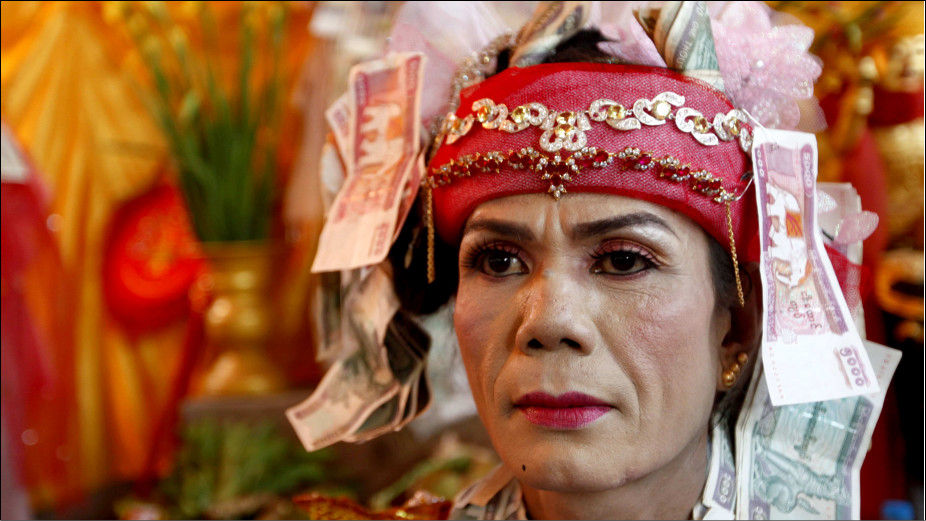
A Nat Kadaw is a spiritual medium who acts as an intermediary between humans and spirits during Nat rituals. The term literally means "wife of the spirit."During the ritual, a Nat Kadaw and delivers messages — sometimes warnings, sometimes revelations — that ordinary people cannot access. In many communities, the Nat Kadaw is both respected and feared.
Role of a Nat Kadaw
Communicates with Nats
Performs ritual dances
Delivers messages or warnings
May enter a trance or possession state
Why it Matters
Amay Thein serves as the Nat Kadaw in the story. Through possession, he becomes the voice of the spirit world and reveals hidden truths that drive the plot forward.
ナッ・カドー(နတ်ကတော်)
ナッ・カドー(Nat Kadaw)とは、ナッの儀式において人間と精霊との仲介役を務める霊媒師のことです。その名称は文字通り「精霊の妻」を意味します。儀式の最中、ナッ・カドーはナッに憑依された状態となり、普通の人々には知ることのできないメッセージ――時には警告、時には真実の啓示――を伝えます。そのため、多くの地域社会において、ナッ・カドーは尊敬される一方で畏れられる存在でもあります。
ナッ・カドーの役割
ナッ(精霊)と意思疎通を行う
儀式的な舞踊を披露する
メッセージや警告を人々に伝える
トランス状態や憑依状態に入ることがある
なぜこれが重要なのか
物語では、アメイ・テインがナッ・カドーの役割を担っています。憑依を通して彼は精霊界の声を代弁し、物語を進展させる重要な秘密や隠された真実を明らかにします。
4. Flower Offerings (ပန်းကပ် / Pann Kat)
Offering flowers at pagodas and shrines is a common Buddhist practice in Myanmar. Flowers symbolize beauty, purity, respect, and the impermanent nature of life.
Why it Matters
Flowers appear throughout the story because Pann Wai sells flowers and uses them in daily life. The symbolism of flowers reflects one of the story's central themes: beautiful things do not last forever. Just as flowers eventually fade, love and happiness can also be temporary.
花の供養(ပန်းကပ်/パン・カッ)
寺院や仏塔に花を供えることは、ミャンマーで広く行われている仏教の慣習です。花は美しさ、清らかさ、敬意、そして人生の無常を象徴しています。
なぜこれが重要なのか
物語の中では、パン・ワイが花を売り、日常的に花を扱っていることから、花が繰り返し登場します。花の象徴性は、この作品の中心的なテーマの一つを表しています。それは、「美しいものは永遠には続かない」ということです。
花がやがて枯れてしまうように、愛や幸福もまた永遠ではなく、はかないものであることを物語は示しています。花は、パン・ワイの人生そのものや、彼女の儚い運命を象徴する重要なモチーフとなっています。
Samsara (သံသရာ)
Samsara is a fundamental concept in Buddhism. It refers to the continuous cycle of birth, death, and rebirth that all living beings experience.
According to Buddhist belief, people continue through this cycle until they achieve enlightenment and reach Nirvana.
Why it Matters
At the end of the play, Pann Wai says she will wait for Sao Khun Naung somewhere in Samsara. This reflects the Buddhist belief that people may meet again in future lives and provides a hopeful ending despite the tragedy they experienced.
輪廻(サンサーラ、Samsara)は、仏教における基本的な概念の一つです。これは、すべての生きとし生けるものが経験する「生・死・再生」の終わりのない循環を指します。
仏教の教えによれば、人は悟りを開き、涅槃(ねはん)に到達するまで、この輪廻のサイクルを繰り返し続けるとされています。
なぜこれが重要なのか
劇の終盤で、パン・ワイは「サオ・クン・ナウンを輪廻のどこかで待っている」と語ります。この言葉には、人々が来世で再び巡り会うことができるという仏教的な信念が込められています。
二人は悲劇的な結末を迎えますが、この輪廻という考え方によって、物語には希望の余韻が残されます。たとえ今生では結ばれなかったとしても、未来のどこかの生で再会できるかもしれない――その可能性が、観客に慰めと希望を与えるのです。
Kyat Pha Khwat Tam (ကြက်ဖခွပ်တမ်း) チャッ・ファ・クワッ・タン

A traditional Burmese children's game in which players squat and imitate the movements of roosters while singing folk rhymes and competing playfully with one another. Commonly played in villages and schools, it promotes friendship, physical activity, and community spirit.
チャッ・ファ・クワッ・タン(Kyat Pha Khwat Tam)は、ミャンマーの伝統的な子どもの遊びです。参加者はしゃがみながら雄鶏の動きを真似し、わらべ歌を歌いながら互いに競い合います。
この遊びは村や学校で広く親しまれており、友情を育み、身体を動かす楽しさを学びながら、地域社会とのつながりを深める役割を果たしています。
なぜこれが重要なのか
劇中では、この遊びが登場人物たちの無邪気な日常や村の温かな共同体の雰囲気を表現しています。また、後に訪れる悲劇との対比によって、失われた幸せや平穏な時間の尊さをより印象的に伝えています。
Htan Ywat Ba Dee — The Palm Leaf Charm

Before Sao Khun Naung leaves for home, Pann Wai gives him a Htan Ywat Ba Dee — a small charm woven by hand from dried palm leaves. In Burmese tradition, these charms are made with love and intention, believed to protect the person who carries them from misfortune and guide them safely home.
Pann Wai had originally made it for their unborn child. That she gives it to Sao Khun Naung instead speaks to how much she loves him — and how deeply she fears losing him.
The charm reappears at the end of the play in Sai Zen Kit's hands, having been passed down through generations. It becomes the most powerful symbol in the story: proof that Sao Khun Naung never forgot her, and the object that finally bridges the living and the dead.
サオ・クン・ナウンが故郷へ帰る前、パン・ワイは彼に「タンユエ・バディ(Htan Ywat Ba Dee)」を手渡します。これは乾燥させたヤシの葉を手作業で編んで作られた小さなお守りです。
ミャンマーの伝統では、このようなお守りは愛情や祈りを込めて作られ、持ち主を災いから守り、無事に帰路へ導く力があると信じられています。
実は、このお守りはもともと二人の生まれてくるはずだった子どものためにパン・ワイが作ったものでした。それをサオ・クン・ナウンに託したことは、彼女がどれほど深く彼を愛していたか、そしてどれほど彼を失うことを恐れていたかを物語っています。
なぜこれが重要なのか
このお守りは劇の終盤で再び登場します。世代を超えて受け継がれ、最終的にはサイ・ゼン・キットの手に渡っています。
物語の中で、タンユエ・バディは最も重要な象徴となります。それは、サオ・クン・ナウンが生涯にわたってパン・ワイを忘れなかったことの証であり、生者と死者、過去と現在を結びつける存在だからです。
このお守りは、二人の愛が死によって終わることなく、時代を超えて受け継がれていくことを象徴しています。
Key Message
A Flower in Waiting combines romance, tragedy, and supernatural elements while introducing important aspects of Myanmar culture. Through regional identities, Nat worship, Buddhist beliefs, and historical social structures, the story explores universal themes of love, sacrifice, justice, and hope
A Flower in Waiting』は、ロマンス、悲劇、そして超自然的な要素を織り交ぜながら、ミャンマーの文化や伝統を紹介する作品です。
物語は、地域ごとのアイデンティティ、ナッ信仰、仏教的な世界観、そして歴史的な社会構造を背景に展開されます。その中で、愛、犠牲、正義、そして希望といった普遍的なテーマが描かれています。
また、この作品は単なる悲恋物語ではありません。異なる背景を持つ人々が互いを理解しようとする姿や、不正によって奪われた人生への問いかけ、そして時を超えて受け継がれる愛と記憶の力を描いています。

Comments